
If you inherited a house in Texas, you can sell it, but the authority to sell belongs to the estate, not to any one heir. That one fact shapes everything else: who signs, what paperwork is needed, and how long the sale takes. Here is what heirs and executors should understand about the probate process , documents, and timing.
Who has the authority to sell
Only a court-appointed executor or administrator can legally convey an estate's real property in Texas. The executor, named in the will, receives Letters Testamentary. When there is no will, the court appoints an administrator, who receives Letters of Administration. Heirs generally cannot sell the estate's house themselves, even if they all agree.
The most common path is Independent Administration, where the will names an independent executor. When you become the legal executor , you can sell without asking the court to approve each step. In a Dependent Administration, the executor must get court approval before selling. A probate attorney can confirm which path applies to a specific estate.
Faster paths that avoid full probate
- Muniment of Title: a streamlined process when there is a valid will, no unpaid debts other than a mortgage, and no need for a full administration. Often used when real property is the main asset.
- Small Estate Affidavit: for intestate estates valued under $75,000, excluding homestead and exempt property.
- Affidavit of Heirship: a title-clearing document used in some situations, not a court proceeding.
These paths are worth knowing about, but they are legal procedures. An estate attorney is the right person to say which one fits, and a real estate professional who knows probate can help you prepare the property side of the sale.
How long probate takes
In a straightforward, uncontested independent administration, a will may be admitted and Letters Testamentary issued within 30 to 45 days. A full probate from filing to distribution typically runs 6 to 12 months, depending on the county, the estate's complexity, and whether heirs are aligned. Contested estates, debts, or title issues can stretch beyond a year. The house can be listed and receive offers while probate is underway, but closing cannot happen until the court has appointed someone with authority to act for the estate.
Documents you will likely need
- Certified death certificate
- The original will and the court order admitting it to probate, if there is a will
- Certified copies of the Letters Testamentary or Letters of Administration
- Standard closing items: survey, property tax information, title commitment, and seller identification
The title company will want to see the letters before it issues title insurance, so getting certified copies early saves real time later.
How a cash offer fits
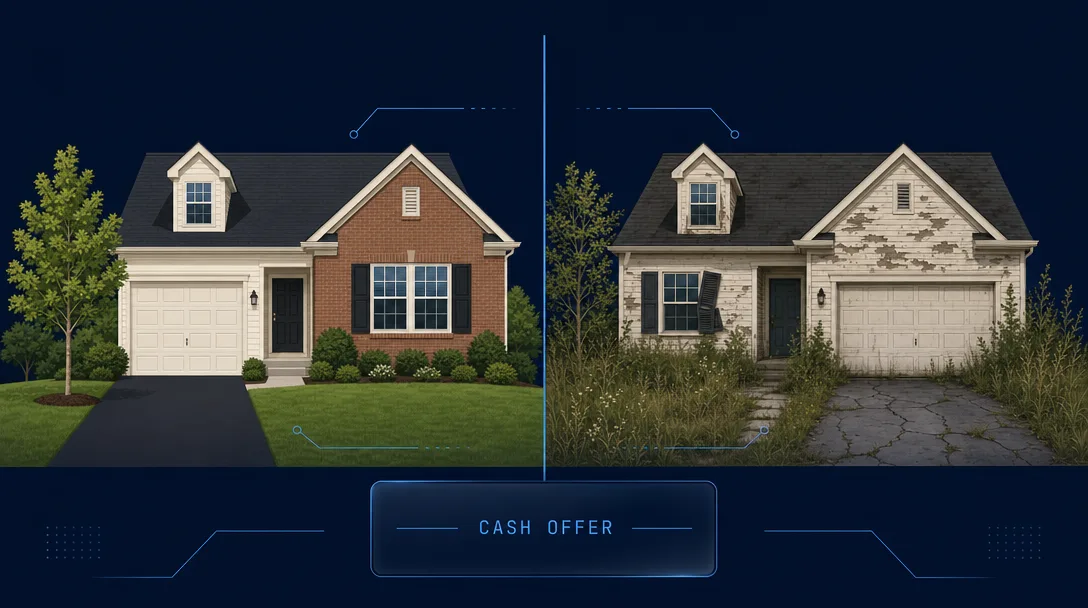
A cash offer can be a clean solution for an estate. The estate accepts a firm, as-is price, so there are no repair demands, no financing contingencies, and no long marketing period while the estate clock runs. Once the executor or administrator has authority, the sale can close quickly, often within 7 to 14 days, which helps estates settle faster and reduces the burden of maintaining an empty house.
This is exactly the kind of sale Guy Courtney Steib focuses on. As a Certified Probate Real Estate Specialist (CPRES) and Certified Probate Expert (CPE), he works with executors, heirs, and attorneys to keep the process clear and respectful. He understands that this is not just a transaction; it is someone's family home.
Guy Courtney is a licensed real estate professional, not an attorney. Nothing on this site is legal advice.